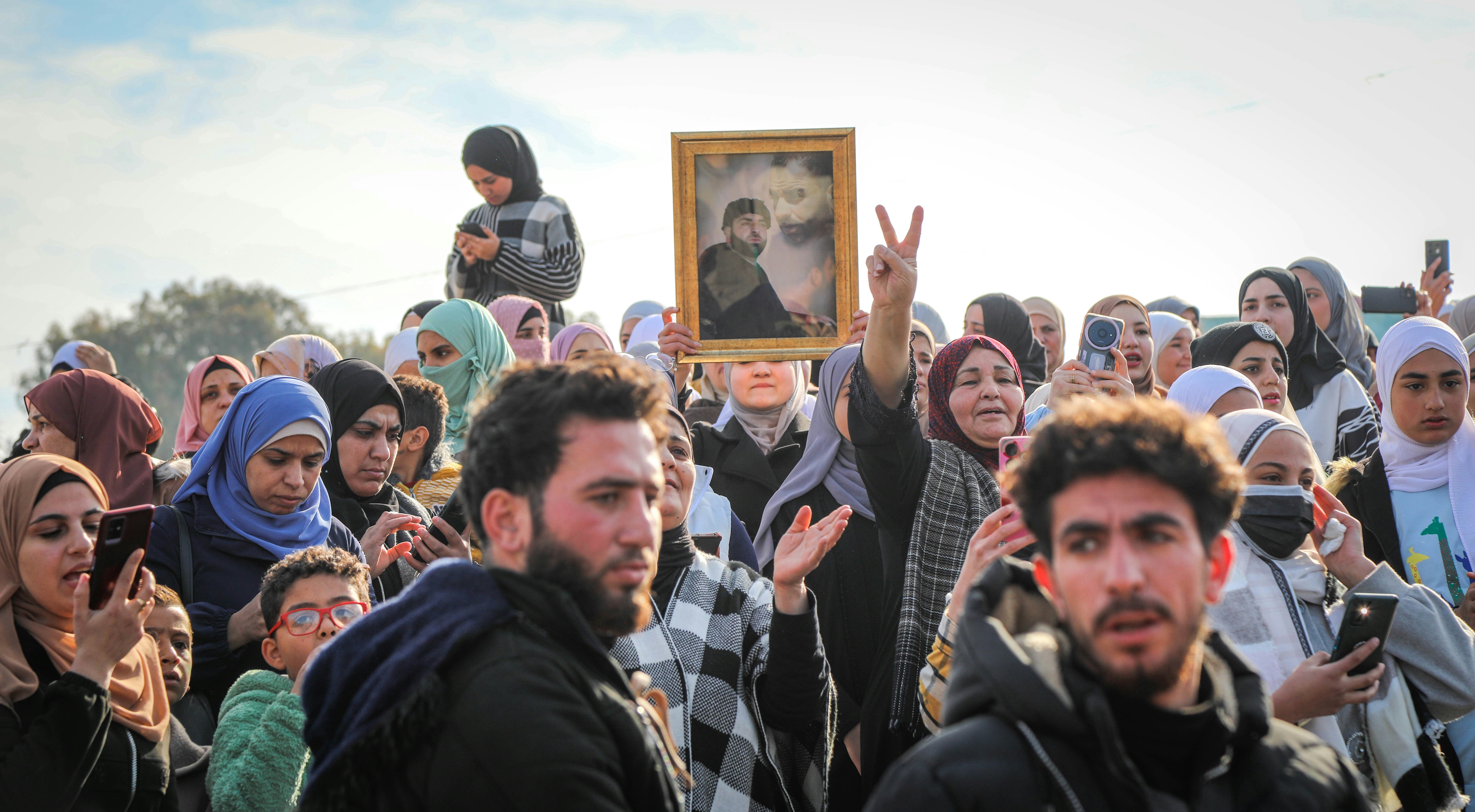
The Syrian conflict has been ongoing since March 2011. The population was dissatisfied with the Assad regime, which has been in place since 1971 when Hafiz al-Assad became president. In 2011, Bashar al-Assad was the president, and his government faced an unprecedented challenge when protests started in support of democracy in different parts of the country. The Syrian government used police, military, and paramilitary forces extensively against protesters to suppress them, which resulted in the formation of opposition militias in 2011, and the conflict expanded into a civil war in 2012 (Britannica Editors, 2024).
The war between the Syrian government and rebel groups resulted in 350,000 people being killed as of June 2022, according to UN estimates. However, the numbers are much higher according to the Syrian Observatory for Human Rights (SOHR), which states the number of people killed in the Syrian war is more than 600,000. Furthermore, according to United Nations estimations, the war also resulted in 5,500,000 people migrating from the country as refugees and 6,800,000 people being displaced internally within Syria. Another issue in the Syrian conflict is war crimes; civilians have been targeted in various attacks. Furthermore, the UN cannot distribute medicine and food to rebel-held areas due to the Assad regime’s restrictions, which increases the hardships of civilians. The conflict has been further prolonged by several outside military interventions (Council on Foreign Relations, 2022).
The Free Syrian Army (FSA), Kurdish rebel fighters, the so-called Islamic State, Jabhat Fath al-Sham, Hezbollah, and the Syrian Democratic Forces (SDF) are the groups that joined the fighting in Syria, and many of them are fighting each other. The conflict is also influenced by international involvement; some countries, including Russia and Iran, have supported the Syrian government, while Türkiye, several Western powers, and some Gulf Arab states support the opposition. Looking at the situation, it seems there is no clear frontline in the Syrian war. Multiple parties are involved in the conflict. Furthermore, civilians do not have a safe place to go for themselves and their families, and they are caught between the groups fighting for power (ShelterBox, n.d.).
Since 2012, several rounds of talks in Geneva, Nur-Sultan, and Sochi have resulted in ceasefire agreements but have not succeeded in putting an end to the conflict (Council on Foreign Relations, 2022). After more than ten years of war, with more than 600,000 estimated deaths and more than 11 million displaced people, there is no strong peace process for Syria. It looks very unlikely that the war in Syria will reach a resolution in the near future (Bibbo, 2021).
This paper will consist of four parts to better understand the involvement of women in the peace and conflict process in Syria. The first part will be a brief overview of peace attempts for Syria. The second part will explain whether women have had the opportunities they deserve in the peace process and conflict management; in this part, I will also explain the role of the UN and EU in supporting women in Syria. The third part will discuss the impact of women’s participation in peace and conflict management efforts, with some recommendations for the future. Finally, the last part of this article will be the conclusion.
Peace Attempts for Syria
Various attempts have been made to facilitate peace talks, each with its own set of challenges and outcomes.
1. UN-backed Attempt in Geneva (2012): The United Nations initiated the first peace talks in Geneva, Switzerland, in 2012, garnering support from the United States, Turkey, and Gulf countries. Notably, Iran, a key ally of Assad, was excluded from these talks. The discussions aimed to address Assad's potential removal during a transition period but failed to yield concrete results. By 2015, Assad had strengthened his position with the support of Russia and Iran. In 2017, another UN-brokered attempt collapsed when the Syrian regime delegation refused to engage in discussions about the constitutional process and presidential elections. UN special envoy Staffan de Mistura attributed the failure to the regime's reluctance to consider different opinions.
2. Astana Talks (2016): Facing setbacks in Geneva, a new channel emerged with talks in Astana, Kazakhstan, in 2016, involving Russia, Turkey, and Iran. Unlike Geneva, Astana brought together key fighting opposition groups and the regime, leading to an agreement on "de-escalation zones" to reduce violence in opposition-held areas. Although the agreement had a temporary impact, the Syrian regime continued air strikes in these zones, revealing implementation challenges.
3. Sochi Talks (Russia-led): With Daesh in retreat, Russia took the lead in hosting talks in Sochi, bringing together Turkey, Iran, and Russia—the Astana trio. Notably, Assad's removal was not a precondition for these talks. The discussions in Sochi focused on Syria's future, a potential constitution, and a roadmap for creating a demilitarized zone. However, the deal faced violations by Syrian regime forces, and progress on a new constitution remained uncertain.
4. Four-way Summit in Istanbul: A diplomatic effort involved a summit in Istanbul with leaders from Russia, France, and Germany. This summit aimed to explore a political solution for Syria, with a particular focus on refugees. France and Germany aligned with the principles of the Astana talks, supporting a demilitarized zone. The summit emphasized preserving the recent deal on Idlib, a major opposition stronghold, and preventing violations by the Assad regime in the area. Concerns about a potential regime offensive on Idlib leading to an increased refugee influx are shared by UN agencies and international NGOs. This diplomatic initiative, involving European countries, represents ongoing efforts to address the complexities of the Syrian conflict and find a political resolution. The focus remains on mitigating humanitarian concerns, ensuring compliance with agreements, and fostering stability in the region (TRT World, 2018).
Women and Conflict in Syria
Women frequently assume a crucial role in advocating for peace, yet their participation in the actual peace process remains limited. While women actively engage in peace advocacy through grassroots organizations, their representation at the negotiating table is disproportionately overshadowed by men. Sanam Naraghi-Anderlini, Executive Director of the International Civil Society Action Network, points out a significant challenge, noting that the powerful propaganda machines employed by states often outmatch women who are relatively new to such engagements. Various systemic factors, including entrenched gender norms, contribute to the marginalization of women in peace processes.
Additionally, women often find themselves at the forefront of the repercussions of instability. The initial indicators of an impending violent conflict frequently manifest as a decline in women's rights. Unlike men, who traditionally take on roles as contributors or initiators of conflict, women more frequently play supportive roles in the background. Furthermore, despite actively advocating for peacebuilding efforts at the grassroots level, women often take a backseat during post-conflict reconstruction. This disparity in participation underscores the challenges women face in translating their peace advocacy into influential roles within the broader peace process (Makar, 2019).
While aid practitioners widely acknowledge that women and women-led organizations have relatively better access to conflict-affected communities, recent data reveals a stark disparity in international funding allocation. Specifically, only a mere 0.3% of international funding responding to the Syrian crisis in 2014 was directed to Syrian-led organizations. In 2015, only 0.5% of global funding for humanitarian action was allocated to projects addressing violence against women. According to female respondents in a survey conducted by Swisspeace, a peace research institute, the militarized environment has significantly restricted the public space for women, as evidenced by the near-absence of women in Sochi. However, the same survey highlights the multifaceted role of women in relief and development work, human rights activism, and mediation. Despite facing barriers, women are creatively navigating spaces to promote peace in broader society, showcasing their resilience (Alrifai & Dore-Weeks, 2018).
Since the initiation of the Syrian war in 2011, women in Syria have been actively involved in various facets of the conflict. Their participation spans a wide spectrum, including engaging in combat, participating in demonstrations, documenting war crimes, providing humanitarian aid, and participating in local politics. Despite constituting more than 50 percent of the Syrian population, women have traditionally been underrepresented in international peace negotiations. Their significant contributions in local negotiations to address the conflict, which has claimed the lives of over half a million people and displaced millions, including tens of thousands of females, are not proportionally reflected at the international level. Women, who are disproportionately affected by armed conflict, often find themselves categorized primarily as victims rather than recognized as active agents with agency in peace processes and negotiations (Coulouris, 2018).
As the Syrian crisis persists for over a decade, regional and international stakeholders have intensified their efforts to achieve lasting peace. The recent conclusion of the eighteenth round of the Astana peace talks and the eighth round of the United Nations-led Syria constitutional talks in Geneva, unfortunately, did not yield success. Despite persistent calls from Syrian civil society for meaningful participation in the peace process, the representation of women remained minimal, with only a symbolic presence from both the Syrian state and the opposition delegation. The inclusion of women in government positions is often portrayed as a symbol of modernization and progress. However, this representation appears to be more of a strategic move rather than a genuine commitment to women's involvement in decision-making processes. On the opposition side, women are sometimes utilized to garner attention from international donors, emphasizing an instrumentalization of their presence. Despite the rhetoric of inclusivity, the reality reflects a limited and symbolic engagement of women, falling short of their effective participation in shaping Syria's future (Priya, 2022).
The United Nations and the European Union have been involved in supporting women in Syria’s peace process to include them in peace talks. The Syrian Women’s Advisory Board (WAB) emerged as a significant development in January 2016, established by the Office of the Special Envoy in collaboration with UN Women and with support from the UN Department of Political Affairs. This initiative was a response to the persistent efforts and advocacy by Syrian women’s rights activists, who had long campaigned for a direct and meaningful role in the peace talks. At its core, the WAB aims to ensure the inclusion of diverse women’s perspectives and the promotion of the gender equality agenda throughout the political process, particularly during crucial moments such as the peace talks convened in Geneva.
Comprising 17 women from diverse backgrounds and affiliations, the WAB members share a common commitment to engaging in dialogue with all sides involved. They actively uphold and champion women’s rights, supporting initiatives that aim to establish a fair, just, and sustainable political settlement that responds to the aspirations of all Syrians. Importantly, the WAB emphasizes its dedication to backing a Syrian-led, Syrian-owned political process facilitated by the UN. The WAB has played a crucial role by convening during pivotal moments in the UN-led political process, particularly around meetings of the Constitutional Committee. Additionally, the board regularly engages in consultations with the Special Envoy, his team, and relevant stakeholders (Office of the Special Envoy of the Secretary-General for Syria, 2024).
The establishment of the Women’s Advisory Board marked a positive step by the UN, yet the peace process requires more substantial female participation to pave the way for a viable solution. UN Security Council Resolution 2254 (2015) emphasizes that the political process and constitution must be Syrian-led, with Syrian women actively contributing to peacebuilding efforts. Beyond merely offering a seat at the table, it is imperative to safeguard the voices of women peacemakers, ensuring that their perspectives are not only heard but also respected. Comprehensive female representation should encompass individuals from all ethnicities and political backgrounds within the Syrian constitutional committee (Coulouris, 2018).
The Elements for an EU Strategy for Syria, endorsed by the Foreign Affairs Council in April 2017, delineate the EU's approach to engagement with Syria. A pivotal objective within this strategy is the emphasis on promoting democracy, human rights, and freedom of speech by strengthening Syrian civil society organizations. The strategy explicitly outlines the EU's commitment to providing substantive support to organizations that align with these values. Anticipating the post-conflict phase, the EU recognizes the significant role that Syrian civil society will play in facilitating reconciliation, fostering intercultural dialogue, and monitoring political agreements. The EU's support extends to women’s, youth, and minority rights organizations that advocate for their inclusion in a democratic Syria (EU, 2018).
Impact of Women’s Participation and Recommendations
There is a widespread understanding of the vital importance of actively involving women in negotiations and peace processes (Mansour, 2020). Women possess the potential to play a pivotal role in peace resolutions; research indicates that ceasefires are 35 percent more likely to endure for at least fifteen years when women participate in negotiations. Additionally, the engagement of local women in peace negotiations enhances the likelihood of a cessation of violence within a year by 25 percent. The United Nations Security Council Resolution 1325 advocates for the inclusion of women, recommending that they constitute at least 30 percent of participants in peace talks. Despite these recommendations, the Syrian peace process has struggled to maintain this percentage. On average, women comprised only 13 percent of negotiators, 6 percent of mediators, and 6 percent of signatories in major peace processes worldwide between 1992 and 2019 (Priya, 2022).
The effectiveness of peace agreements and reconstruction efforts is significantly enhanced when women are actively involved. Their inclusion at the peace table contributes to the improvement of the quality of agreements reached, thereby increasing the likelihood of successful implementation. Recognizing the unique perspectives of women is essential for creating more comprehensive and sustainable solutions (Catherine Moore & Tarsila Talarico, 2015).
Syrian women are equipped to bring critical issues to the forefront. Their experiences include negotiating local ceasefires, de-escalating conflicts, organizing nonviolent protests, and documenting war crimes. They have taken leadership roles in humanitarian initiatives in schools and hospitals, allowing them to articulate pertinent grassroots-level issues. An exemplary organization, Women Now for Development, spearheaded by Syrian women, exemplifies the empowerment of women in steering Syria toward peace. Their unique experiences grounded in grassroots activities contribute to a more comprehensive understanding of the challenges needed for sustainable peace (Priya, 2022).
To meet the needs of Syrian women, there is a pressing call for a minimum target of at least 15% spending on gender equality and women's empowerment, mirroring the UN's target for peacebuilding spending (Alrifai & Dore-Weeks, 2018). Swift and targeted actions are needed to elevate the participation of women in decision-making positions. Proposed initiatives include:
Creating a Database of Women Leaders: Establishing a comprehensive database of women leaders and activists in feminist and women's movements to facilitate networking.
Empowerment Through Training Programs: Implementing programs covering campaign management, negotiation skills, and communication strategies.
Service Centers for Legal Counsel: Establishing centers to provide legal counsel specifically for female activists and candidates.
Gendered Perspective and Leadership Skills Training: Providing programs focused on gendered perspectives to enhance decision-making capabilities.
Mock Parliaments for Training: Using mock parliaments as a tool for children, women, and youth to familiarize them with political processes.
Comprehensive Program for Political Participation: Developing an integrated program to nurture women leaders in political and civic spheres, including a financial fund to support candidacy.
Gender-Sensitive Media Policies: Training media professionals to address gender concepts in discourse and launching programs to highlight women's roles.
Updating Laws and Bylaws: Including provisions safeguarding women from all forms of exploitation in the workplace, especially sexual harassment.
Encouraging Non-Governmental Development Associations: Encouraging civil society to establish associations focused on increasing women's contribution to sustainable development and economic empowerment (Al-Hallak, 2022).
Conclusion
Since the beginning of the war in 2011, Syrian women have continued to face challenges in having their voices acknowledged in decision-making forums that significantly affect them (Alrifai & Dore-Weeks, 2018). Various attempts by different countries to end the conflict, as well as the efforts of the UN and EU to include women in peace talks, have not been as successful as expected. The role of women in solving the Syrian conflict should be considered vital, and they should be given decision-making roles in the peace process.
Placing women at the forefront of policies, not just as participants but as policymakers, is crucial for safeguarding the social fabric and formulating enduring solutions (Dora, 2021). An end to violence in Syria necessitates addressing gender inequality and discrimination. The international community must invest in programs addressing women's needs and directing support to Syrian-led women's organizations. This commitment should be complemented by a robust political will to ensure women's direct representation in Syria's peace process (Alrifai & Dore-Weeks, 2018).
References
Al-Hallak, S. (2022). Research Paper on Women, Peace and Security in Syria. Baytna.
Alrifai, T., & Dore-Weeks, R. (2018, July 26). Here’s why Syrian women are integral to peace. Retrieved from Atlantic Council: https://www.atlanticcouncil.org/blogs/syriasource/here-s-why-syrian-women-are-integral-to-peace/
Bibbo, B. (2021, February 28). Analysis: Syria’s peace process and the Russian and US roles. Retrieved from ALJAZEERA: https://www.aljazeera.com/news/2021/2/28/analysis-syrias-peace-process-and-the-russian-and-us-role
Britannica Editors. (2024, Jan 2). Syrian Civil War. Retrieved from Britannica: https://www.britannica.com/event/Syrian-Civil-War/Uprising-in-Syria-2011
Catherine Moore & Tarsila Talarico, ,. 3. (2015). Inclusion to Exclusion: Women in Syria. Emory International law review, 30(2).
Coulouris, R. (2018, July 11). Here’s Why Syrian Women Need to be Included More in Peacebuilding. Retrieved from Atlantic Council: https://www.atlanticcouncil.org/blogs/syriasource/here-s-why-syrian-women-need-to-be-included-more-in-peacebuilding/
Coulouris, R. (2018, June 19). Why Syrian Women Could Be the Key to Successful Peace Talks. Retrieved from The New Humanitarian: https://deeply.thenewhumanitarian.org/peacebuilding/articles/2018/06/19/why-syrian-women-could-be-the-key-to-successful-peace-talks
Council on Foreign Relations. (2022). Syria Case Study | Current Peace Efforts . Retrieved from Council on Foreign Relations: https://www.cfr.org/womens-participation-in-peace-processes/syria
Dora, Z. K. (2021). Syrian crisis, migration, women and violence from perspective of feminist security studies. KAUJEASF, 12(24).
EU. (2018, April 24). Syria: Preparing for peace. Retrieved from The Diplomatic Service of the European Union: https://www.eeas.europa.eu/node/32064_en
Makar, M. (2019, Jan 8). Syrian Women and the Peace Process: An Argument for Inclusion. Retrieved from International Civil Society Action Network (ICAN): https://icanpeacework.org/2019/01/syrian-women-peace-process-argument-inclusion/
Mansour, K. (2020). Syrian Women and their Participation in the Peace Process. The Asfari Institute for Civil Society and Citizenship.
Office of the Special Envoy of the Secretary-General for Syria. (2024). WOMEN’S ADVISORY BOARD. Retrieved from Office of the Special Envoy of the Secretary-General for Syria: https://specialenvoysyria.unmissions.org/women%E2%80%99s-advisory-board
Priya, L. (2022, September 8). Women and the Syrian Peace Process. Retrieved from Peace News: https://peacenews.com/women-syrian-peace-process/
SherlterBox. (n.d.). THE SYRIAN CONFLICT EXPLAINED. Retrieved from SherlterBox: https://shelterbox.org/syria/the-syrian-conflict-explained/
TRT World. (2018). A brief history of peace attempts and failures in Syria. Retrieved from TRT World: https://www.trtworld.com/mea/a-brief-history-of-peace-attempts-and-failures-in-syria-21155